
Teaching Innovation Creativity Practice
Beyond the Classroom
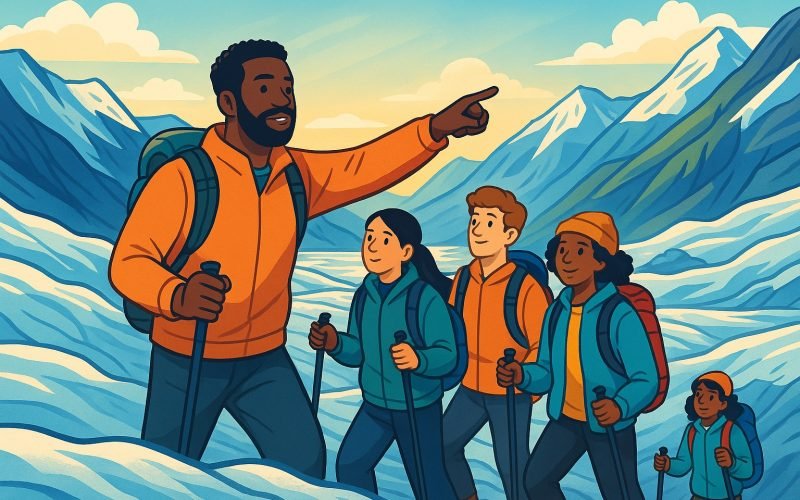
Today’s students are not just passive recipients of knowledge; they are thinkers, doers, and change-makers. My Experiential Impact strategy is based on the idea that genuine learning takes place through shared experiences, meaningful collaboration, and active engagement with the world outside the classroom.
This approach combines field-based learning, collaborative projects, community engagement, and faith-integrated reflection. It is grounded in the belief that education should not only inform minds but also inspire hearts, shape values, and prepare students for leadership in the real world.
Learning by Doing
Field-Based & Collaborative Projects
The most effective learning often happens outside of the classroom, where students get their boots muddy, their hands moving, and their minds questioning. Through activities like GPS-based mapping labs, stream analysis, and field trips focused on climate change, my students actively engage with the physical environments they are studying. These labs are not merely assignments; they are guided explorations that bring abstract concepts to life and help students develop essential scientific skills.
I train students to develop solutions to real-world environmental resource challenges, whether through designing a sustainability audit for campuses or organizing food waste awareness campaigns. By participating in community-centred research projects, sharing reflection journals via social media, and attending collaborative seminars, students cultivate a strong sense of agency and purpose.
Community Engagement & Environmental Justice
I incorporate community partnerships into my courses by connecting students with local organizations, Indigenous groups, and nonprofit initiatives. Through service learning and collaborative projects, students gain firsthand experience of how environmental knowledge can empower communities. They also learn how listening to lived experiences can enhance their scientific understanding. These opportunities ground students in the real-life implications of their learning and challenge them to act with compassion and justice.
Spiritual Formation & Holistic Learning
Education should not only develop intellect but also shape character and purpose. As a Christian educator, I integrate faith-informed reflection into experiential learning, inviting students to explore their values, sense of calling, and ethical responsibilities as stewards of the earth.
This approach isn’t about promoting a single worldview; rather, it focuses on cultivating empathy, moral courage, and purpose-driven learning. I create opportunities for students to engage with big questions: How can science and faith complement each other? What does it mean to lead a life of impact and meaning?
Many students grapple with the tensions between belief and evidence, or they struggle to find purpose within their disciplines. My goal is to assist them in navigating these questions with honesty, respect, and curiosity, connecting environmental science with biblical principles and empowering them to become informed scholars and compassionate leaders.
Experiential Impact embodies my method of preparing students for the complexities, urgency, and human aspects of environmental leadership in today’s world. As we confront challenges such as climate change, social fragmentation, and cultural polarization, students need more than just information; they need a solid foundation and a holistic worldview that integrates knowledge, values, and purpose. They benefit from experiences that challenge them, connect them with others, and inspire them to take action. By cultivating these experiences, I strive to teach for both success and impact.